


General info
How to Take TrialNet Screening for Type 1 Diabetes
TrialNet is revolutionizing Type 1 diabetes (T1D) prevention through free, comprehensive screening for at-risk individuals. As a research-based program backed by leading diabetes experts, TrialNet offers hope for early detection and access to cutting-edge prevention studies. If you have a family member with Type 1 diabetes, here's your complete guide to participating in TrialNet screening.


Not sure if TrialNet is right for you?
Compare all T1D screening options here →
What Is TrialNet?
TrialNet is an international network of researchers, healthcare providers, and volunteers working together to prevent, delay, and reverse Type 1 diabetes. The program's Pathway to Prevention study offers free autoantibody screening to relatives of people with T1D, monitoring for early signs of the disease years before symptoms appear.
Why TrialNet Matters
- 100% Free: All screening and monitoring is provided at no cost
- Expert Network: Access to leading T1D researchers and specialized care
- Prevention Studies: Eligible participants can join clinical trials testing therapies to prevent or delay T1D
- Peace of Mind: Regular monitoring ensures early detection, avoiding dangerous complications like diabetic ketoacidosis (DKA)
Who Is Eligible?
TrialNet screening is available to relatives of people with Type 1 diabetes:
Ages 2-45: If you have a first-degree relative with T1D (parent, sibling, or child)
Ages 2-20: If you have a second-degree relative with T1D (grandparent, aunt, uncle, niece, nephew, or half-sibling)
You do not need to have symptoms or any prior testing to participate.
How to Get Started
Step 1: Check Your Eligibility
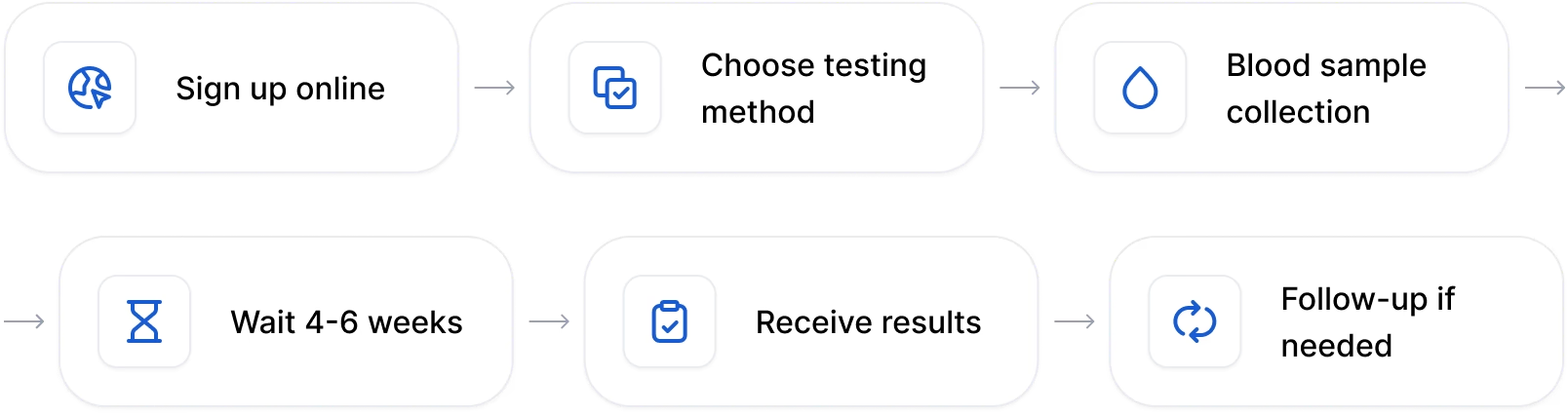
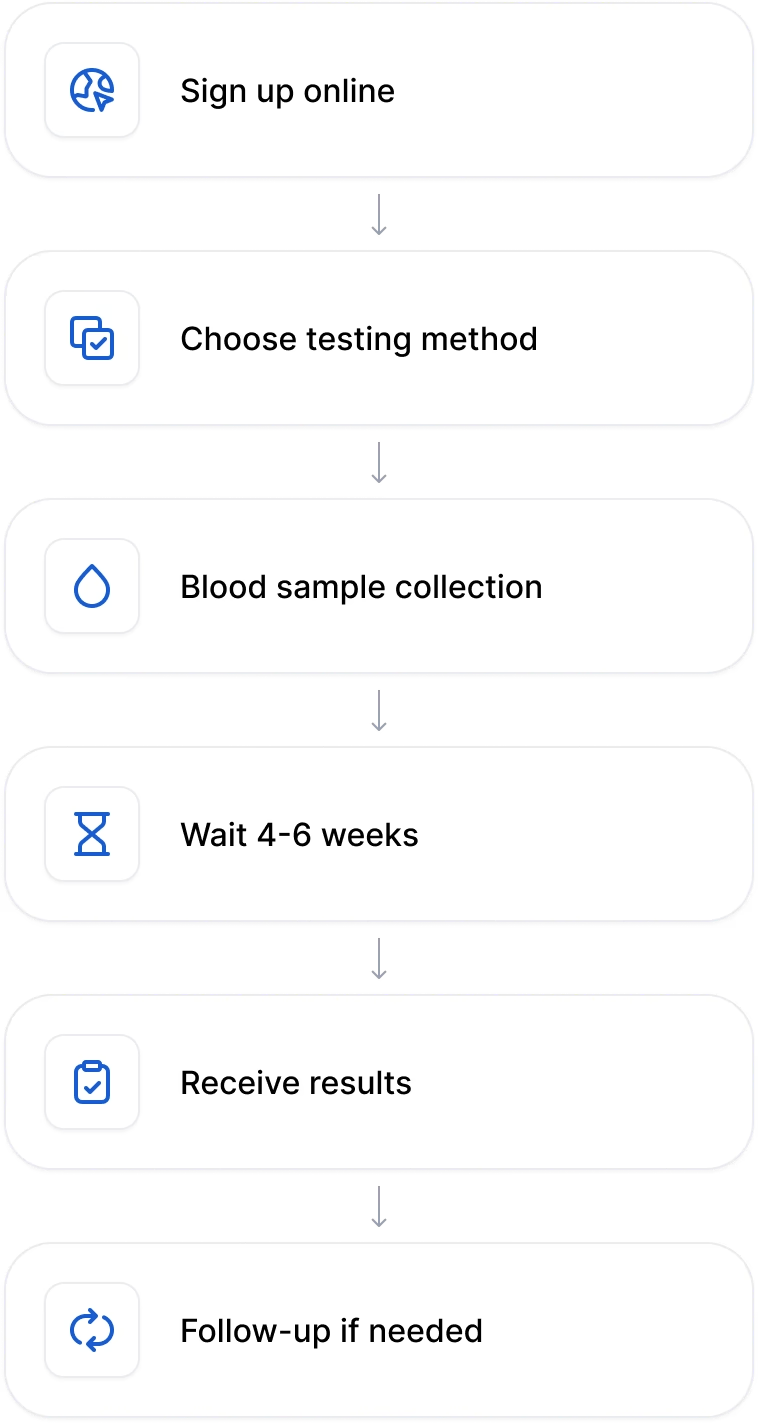
Visit the TrialNet website at trialnet.org/participate and answer a few quick questions about your family history. The online screening questionnaire takes less than 5 minutes.
Step 2: Choose Your Screening Method
TrialNet offers three convenient options:
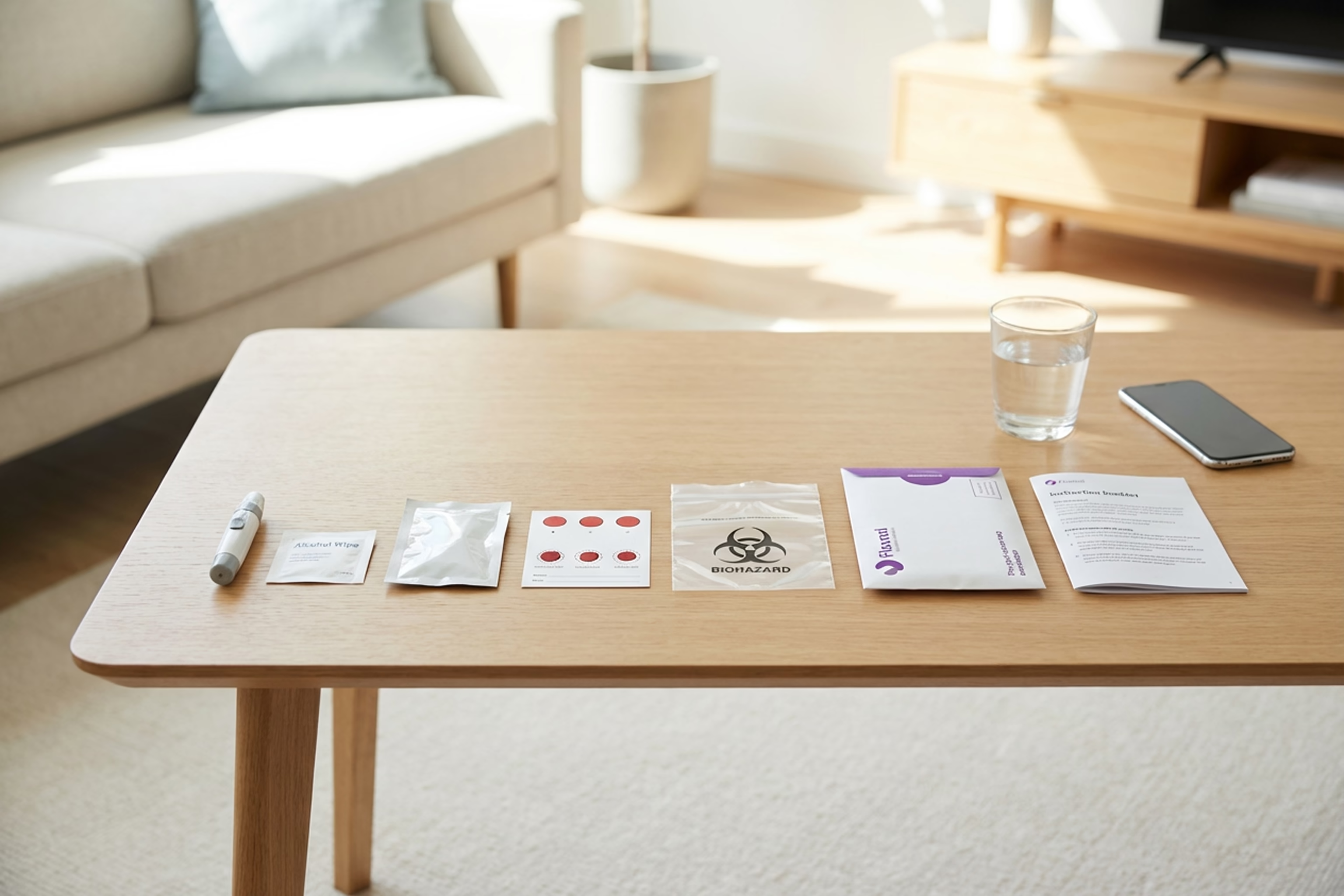
Option A: At-Home Test KitOrder a kit delivered directly to your home. Follow the simple instructions to collect a small blood sample and mail it back using the prepaid envelope.
Option B: Local Lab PartnerRequest a test kit to take to a participating lab near you. A trained phlebotomist will collect the blood sample for you—no finger pricks required.
Option C: TrialNet LocationVisit one of TrialNet's many specialized research centers across the United States. Find a location near you on their website.
The Screening Process
Blood Sample Collection
The screening test requires a small blood sample. If you choose at-home collection, you'll receive detailed instructions and all necessary supplies. The process is quick and minimally invasive.
What Gets Tested
TrialNet screens for five diabetes-related autoantibodies:
- GAD65 (Glutamic Acid Decarboxylase)
- IA-2A (Insulinoma-Associated Antigen-2)
- IAA (Insulin Autoantibodies)
- ZnT8A (Zinc Transporter 8)
- mIAA (micro-Insulin Autoantibodies)
This comprehensive panel provides the most accurate picture of your T1D risk.
Results Timeline
You will receive your screening results in 4-6 weeks. TrialNet will contact you by phone and email with your results and next steps.
Understanding Your Results
No Autoantibodies Detected: Excellent news! You are currently at low risk for developing Type 1 diabetes. However, if you remain eligible, TrialNet may recommend rescreening every 2 years since autoantibodies can develop over time.
One Autoantibody Present: You have an increased risk of developing T1D. TrialNet will invite you to participate in follow-up monitoring every 6 months to track any changes.
Two or More Autoantibodies: You have early-stage Type 1 diabetes. TrialNet will schedule a follow-up visit to determine eligibility for prevention studies aimed at delaying or stopping disease progression.

What Happens If You're Eligible for a Prevention Study?
If your screening reveals two or more autoantibodies, you may qualify for one of TrialNet's prevention studies. These groundbreaking clinical trials test therapies that could:
- Delay the onset of clinical Type 1 diabetes
- Preserve insulin production
- Reduce disease severity if T1D develops
Participation is completely voluntary, and you'll receive:
- Regular monitoring by T1D specialists
- Close medical supervision
- No cost for all study-related procedures
- The satisfaction of contributing to T1D research
Ongoing Monitoring
For participants with positive results, TrialNet provides:
- Regular oral glucose tolerance tests (OGTT) to monitor blood sugar
- Continued autoantibody testing
- Education on recognizing early symptoms
- Support from diabetes educators and counselors
- Access to the latest research findings
Benefits of Early Detection
Knowing your T1D status before symptoms appear offers significant advantages:
Avoid DKA: Early diagnosis prevents dangerous diabetic ketoacidosis, which affects about 30% of children diagnosed with T1D without prior screening.
Prepared Transition: If T1D develops, you and your healthcare team can plan for a smooth transition to insulin therapy and diabetes management.
Research Participation: Access to prevention studies that could change the course of the disease.
Family Planning: Understanding your family's risk profile helps with health planning and screening for other relatives.
How to Contact TrialNet
Have questions? The TrialNet team is ready to help:
Phone: 1-800-425-8361
Email: info@trialnet.org
Website: trialnet.org
Conclusion
TrialNet screening represents a powerful opportunity for families affected by Type 1 diabetes. This free program combines world-class research with compassionate care, offering hope for a future where T1D can be prevented or delayed. If you're eligible, taking the first step is simple—visit TrialNet's website today and answer a few quick questions. Your participation not only benefits your family but also contributes to groundbreaking research that could help millions worldwide.
Sources




%20(1).jpg)
%20(1).png)
%20(1).jpg)