


General info
How to Take ASK Screening: Free Testing for Everyone
Unlike other Type 1 diabetes screening programs that require a family connection to the disease, ASK (Autoimmunity Screening for Kids) breaks down barriers by offering free screening to everyone in the United States, ages 1-99. This groundbreaking research program screens for both Type 1 diabetes and celiac disease, making early detection accessible to all. Here's everything you need to know about participating in ASK screening.
%20(1).jpg)

Not sure if ASK is right for you?
Compare all T1D screening options here →
What Makes ASK Different?
Universal Access
The ASK program's revolutionary approach removes the family history requirement that limits most T1D screening programs. Whether or not you have relatives with Type 1 diabetes, you can participate. This matters because:
- 85-90% of people diagnosed with T1D have no family history
- Early detection benefits everyone, not just those with known risk
- Many undiagnosed cases exist in populations without family connections
Dual Screening Benefit
ASK uniquely tests for both Type 1 diabetes and celiac disease with a single blood sample. Since these autoimmune conditions often occur together, this comprehensive approach provides maximum health information from one convenient test.
.avif)
Who Can Participate?
Age Range: 1-99 years oldLocation: All residents of the United StatesRequirements: None—no family history neededCost: Completely free
How to Get Started
Step 1: Visit the ASK Website
Go to askhealth.org to learn about the program and begin the enrollment process.
Step 2: Choose Your Testing Method
ASK offers two convenient options to fit your lifestyle:
At-Home Kit
- Test kit delivered to your home with all supplies included
- Simple finger-prick blood collection
- Follow provided instructions and return the sample in a prepaid envelope
- Perfect for busy families or those who prefer testing at home
Lab Testing
- Schedule an appointment at a participating laboratory
- Professional blood draw by trained phlebotomist
- Ideal if you prefer not to do the finger-prick yourself or need samples for young children
What the Test Detects
Type 1 Diabetes Markers
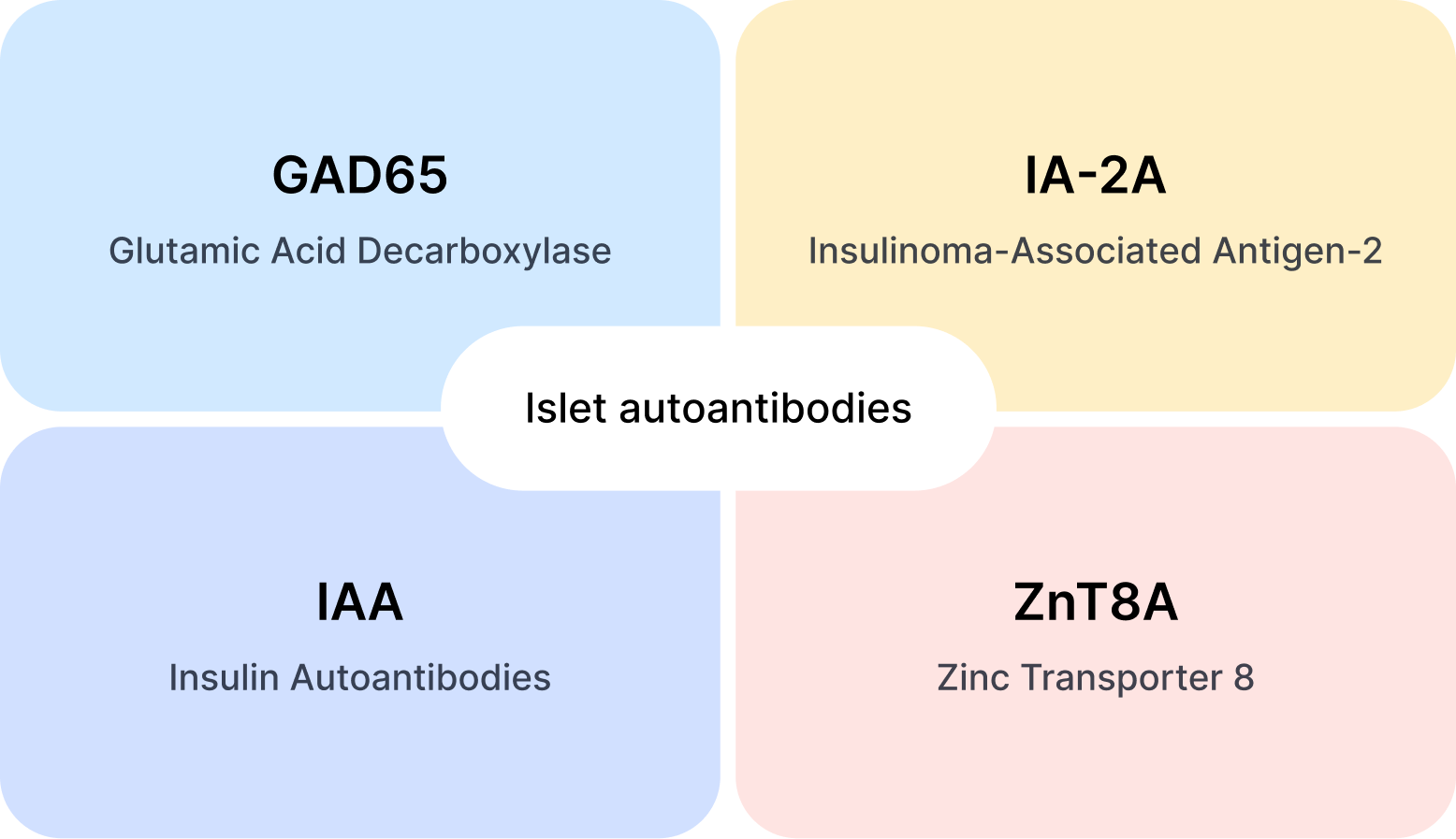
ASK tests for islet autoantibodies—proteins in the blood that signal your immune system is attacking insulin-producing cells in the pancreas. The presence of these autoantibodies can indicate Type 1 diabetes risk months or years before symptoms appear.
The specific autoantibodies tested include:
- GAD65 (Glutamic Acid Decarboxylase)
- IA-2A (Insulinoma-Associated Antigen-2)
- IAA (Insulin Autoantibodies)
- ZnT8A (Zinc Transporter 8)
Celiac Disease Screening
In addition to diabetes markers, ASK screens for celiac disease antibodies, providing a comprehensive view of autoimmune risk.
Understanding Your Results
Initial Results
After your blood sample is processed, you'll receive initial results. If autoantibodies are detected, it's important to understand what this means:
Autoantibodies Detected on First Test: This could indicate early-stage Type 1 diabetes, but ASK will ask you to repeat the test to confirm the autoantibodies are truly persistent.
Confirmation Testing
Why confirm? A single positive test can sometimes reflect temporary immune activity. Confirming that autoantibodies persist on a second test provides a more accurate risk assessment.
Interpreting Persistent Autoantibodies
One Persistent Autoantibody: You are at increased risk for developing Type 1 diabetes. ASK researchers will recommend regular monitoring to track any changes.
Two or More Persistent Autoantibodies: This indicates early-stage Type 1 diabetes. While you may not have symptoms yet, your immune system has begun the process that leads to clinical diabetes. Early knowledge allows you to:
- Monitor blood sugar regularly
- Recognize symptoms early
- Avoid dangerous diabetic ketoacidosis (DKA)
- Consider participation in prevention research

What Happens After a Positive Result?
Medical Follow-Up
ASK connects participants with positive results to:
- Endocrinologists specializing in Type 1 diabetes
- Diabetes educators who provide practical guidance
- Support resources for families
Monitoring Protocol
Depending on your results, monitoring may include:
- Regular blood glucose testing (at-home or in-clinic)
- Periodic autoantibody testing to track changes
- Oral glucose tolerance tests (OGTT) to assess pancreatic function
- Education on recognizing symptoms of progressing diabetes
Prevention Research Opportunities
Participants with confirmed early-stage T1D may be eligible for clinical trials testing therapies to:
- Delay or prevent the onset of clinical diabetes
- Preserve remaining insulin production
- Reduce disease severity
The Benefits of Early Detection
Avoiding DKA
Diabetic ketoacidosis is a life-threatening condition that affects approximately 30% of children diagnosed with Type 1 diabetes without prior screening. Early detection through ASK screening can prevent this dangerous complication.
Prepared Diagnosis
If Type 1 diabetes develops, early knowledge allows:
- A planned, non-emergency start to insulin therapy
- Time to learn diabetes management skills gradually
- Reduced stress and anxiety for families
- Better long-term health outcomes
Peace of Mind
For those who test negative, ASK screening provides reassurance and establishes a baseline for future monitoring if desired.
Program Support
ASK is a research program backed by leading diabetes experts. Participants receive:
- Clear, understandable explanations of results
- Access to counselors and support staff
- Educational resources about T1D and celiac disease
- Connection to local healthcare providers
Frequently Asked Questions
Is the test really free?Yes, completely free. ASK is a research program funded to increase Type 1 diabetes screening accessibility.
Will my insurance be involved?No, ASK does not bill insurance. All costs are covered by the research program.
What if my child is too young for a finger prick?The lab testing option is available and may be preferable for young children or anyone uncomfortable with at-home collection.
Can my whole family get tested?Absolutely! ASK welcomes participants ages 1-99 with no family history requirement.
Taking the First Step
Early detection saves lives. The ASK program makes Type 1 diabetes screening accessible to everyone, regardless of family history. Testing is free, convenient, and provides valuable information that could protect your health or the health of your loved ones.
Visit askhealth.org today to enroll. The simple blood test takes minutes, but the knowledge it provides can last a lifetime.
Conclusion
ASK screening represents a democratization of Type 1 diabetes early detection. By removing barriers and offering universal access, this program ensures that everyone—not just those with family history—can benefit from the life-saving advantages of early diagnosis. Whether you choose at-home testing or prefer a lab visit, ASK makes the process simple, free, and empowering. Don't wait for symptoms to appear. Take control of your health today with ASK screening.
Sources



%20(1).jpg)
%20(1).png)